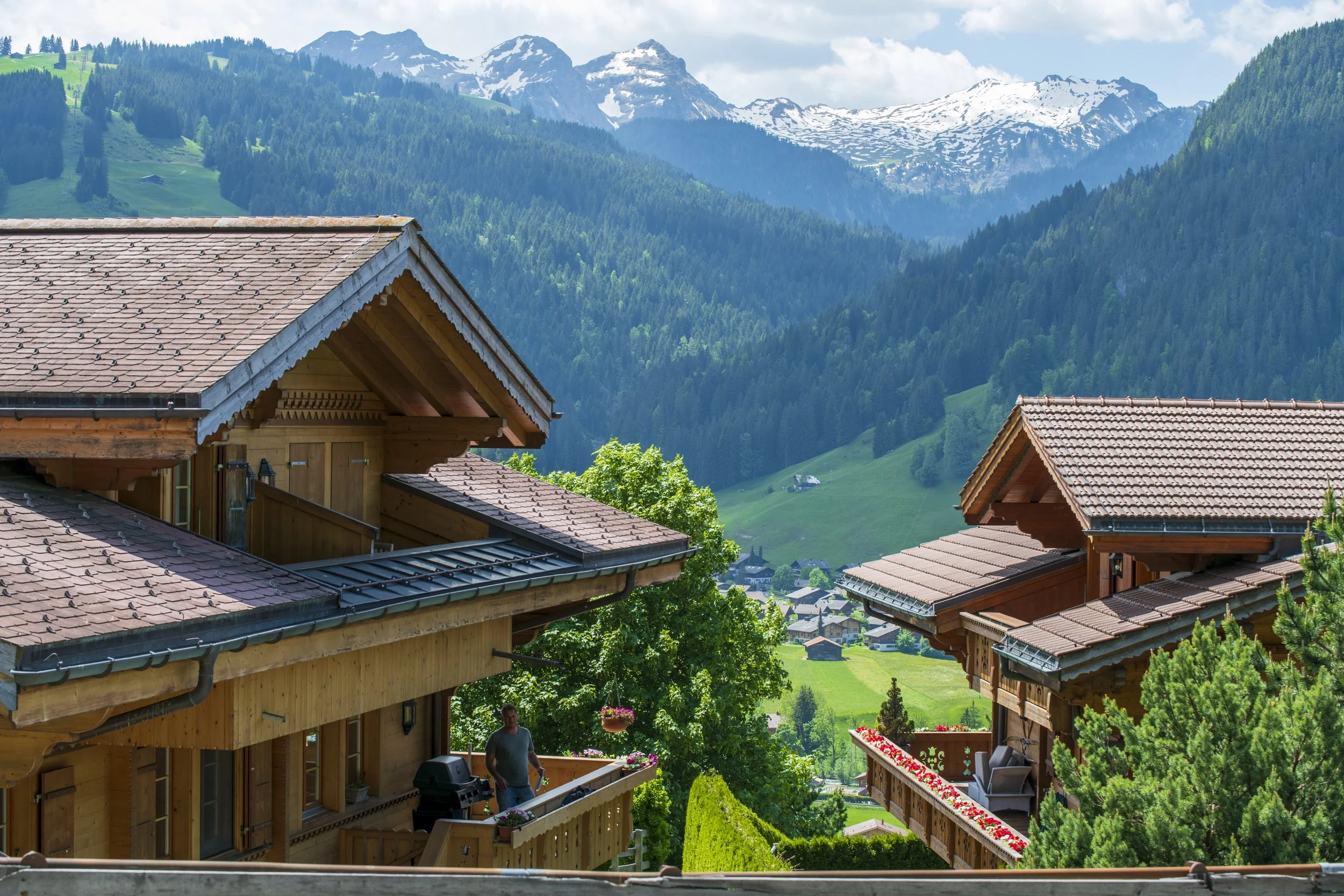
Slow Travel
See Less. Experience More.
Fewer stops. Longer stays. Better stories.
There is another way to travel.
One where every morning doesn't begin with checking out.
Where you don't measure a successful vacation by the number of cities you visited.
Where lunch can take two hours because there isn't somewhere else you're supposed to be.
The Long Pour by Cask & Vine Travel Co. embraces slow travel—thoughtfully designed journeys that give you more time to experience the food, wine, culture and everyday rhythm of the places you came all this way to see.
What Is Slow Travel?
It's Not About Moving Slowly
Slow travel isn't necessarily about taking a longer vacation.
It's about using your time differently.
Instead of:
Four countries.
Seven cities.
Eleven hotels.
And hundreds of photographs you're too tired to look at when you get home.
Consider:
One country.
Two regions.
A neighborhood you begin to recognize.
A restaurant you visit twice.
A winery you remember.
A morning with nothing scheduled.
And enough time to discover something that wasn't in the itinerary.
Slow travel replaces more with meaningful.
Stop Counting Countries
A Passport Stamp Isn't the Experience
Europe makes it tempting.
Paris today.
Brussels tomorrow.
Amsterdam next.
Then Germany.
Then Switzerland.
You can do it.
The question is whether you should.
Every move costs something.
Packing.
Checking out.
Transportation.
Waiting.
Checking in.
Getting oriented.
Then doing it again.
Slow travel asks a different question:
What would happen if we stayed?
Instead of seeing France in five days, spend ten.
Instead of visiting three wine regions, explore one properly.
Instead of collecting cities, develop memories.
There will always be somewhere else to go.
That's a good reason to come back.
Travel Through Taste
The Table Has a Way of Slowing Things Down
Food and drink naturally encourage slower travel.
A vineyard isn't something you need to rush through.
Neither is dinner.
Or a market.
Or a distillery.
Or a conversation over a bottle of wine.
That's one reason slow travel fits Cask & Vine so naturally.
Wine makes more sense when you understand where it grew.
Whiskey becomes more interesting when you've seen where it was made.
Food becomes part of the destination when you know something about the people and traditions behind it.
Sometimes the fastest way to understand somewhere is to sit down and taste it.
France Was Made for This
Stay for Another Glass
France provides a natural introduction to slow travel.
Paris rewards wandering.
Bordeaux rewards curiosity.
Provence rewards doing absolutely nothing for an afternoon.
Champagne rewards staying beyond the tasting.
And the countryside rewards anyone willing to stop looking at the clock.
Rather than trying to "do France," choose a region.
Stay there.
Explore nearby.
Eat well.
Drink something local.
And leave knowing there are still reasons to return.
Wine Country, Slowly
Three Tastings Aren't Always Better Than One
Wine travel can become surprisingly competitive.
How many wineries can we visit?
How many tastings can we fit in?
How many bottles can we bring home?
We'd rather ask:
Which experience will you remember?
Spend the morning at a vineyard.
Have lunch.
Explore the town.
Return to your hotel.
Open something you bought yesterday.
That's still a very good day in wine country.
Cask & Vine designs wine travel around experiencing the region rather than accumulating tasting appointments.
Whiskey, Slowly
There's More Beyond the Tasting Glass
The same idea applies to spirits travel.
A distillery isn't simply somewhere to taste whiskey.
It's part of a place.
The landscape.
Water.
Grain.
People.
History.
Restaurants.
Pubs.
Communities.
Visit fewer distilleries.
Ask better questions.
Stay for dinner.
Explore what's around them.
And give yourself enough time to understand why the whiskey belongs there.
Slow Travel for Couples
You Don't Have to Want the Same Thing Every Hour
Fast travel requires coordination.
Where are we going?
When do we leave?
What's next?
Are we late?
Slow travel creates space.
One person can visit a museum while the other finds a café.
Read for an hour.
Walk somewhere separately.
Meet for lunch.
Take a day trip together tomorrow.
Stay at the hotel today.
Travel becomes less about negotiating the itinerary and more about sharing a place.
For couples traveling together for longer periods, that breathing room can be surprisingly valuable.
Stay Somewhere You Actually Want to Be
Your Hotel Is Not Just Where You Sleep
Fast itineraries make hotels transactional.
Arrive late.
Sleep.
Eat breakfast.
Leave.
Slow travel changes the relationship.
If you're staying several nights—or several weeks—the property becomes part of the destination.
Maybe there's a terrace.
A great bar.
A spa.
A neighborhood you enjoy walking.
A vineyard outside your window.
Or simply a chair you genuinely want to sit in with a book.
We look for accommodations worth spending time in.
Because when you're traveling slowly, you actually will.
Leave Something Unplanned
Not Every Day Needs an Itinerary
This can be uncomfortable for experienced vacation planners.
A blank day.
Nothing booked.
No tickets.
No tour.
No dinner reservation.
What will you do?
That's the point.
Maybe you'll hear about a village at breakfast.
Maybe the weather will be beautiful.
Maybe you'll find a market.
Maybe you'll return somewhere you enjoyed.
Or maybe you'll do very little.
Unscheduled time isn't wasted vacation.
Sometimes it's where the vacation finally begins.
Travel by Train
Let the Journey Breathe
Slow travel doesn't mean staying in one place forever.
It means moving intentionally.
European rail can make that especially appealing.
City center to city center.
No airport on every travel day.
No rental car for every destination.
Watch the landscape change.
Read.
Have a coffee.
Arrive somewhere new.
Then stay long enough that you don't immediately have to leave again.
For the right itinerary, the journey between destinations becomes part of the experience rather than something to endure.
Slow Travel by River
Let Europe Come to You
Cruising might sound like the opposite of slow travel.
River cruising can prove otherwise.
The ship moves.
You don't.
Unpack once.
Travel through wine country.
Walk into historic towns.
Explore.
Return.
Have dinner.
Watch the river.
Wake up somewhere new.
For travelers who want to experience multiple destinations while avoiding constant hotel changes, a luxury river cruise can provide an interesting version of slow travel.
Cruise + Land
Move for Awhile. Then Stay.
Slow travel and cruising don't have to compete.
They can complement each other.
Spend ten days exploring France slowly.
Then board a luxury voyage.
Or cruise first and finish with a week in wine country.
One part of the journey provides movement.
The other gives you time to settle.
Combining the two can create a trip with a rhythm that's difficult to achieve with either experience alone.
When Slow Becomes Long
Stay Long Enough to Develop a Routine
Slow travel doesn't require a month.
But having a month certainly changes what's possible.
That's where slow travel becomes an Extended Stay.
Rent an apartment.
Choose a home base.
Buy groceries.
Learn the neighborhood.
Take day trips.
Have ordinary days.
And experience somewhere long enough that it begins to feel familiar.
Luxury Doesn't Have to Mean More
Sometimes It's Having Less to Do
Luxury travel is often marketed around addition.
More amenities.
More courses.
More experiences.
More access.
More things included.
Those things can be wonderful.
But another form of luxury is subtraction.
No alarm.
No checkout.
No four-hour transfer.
No need to see everything.
No reason to rush dinner.
No guilt about spending an afternoon at the hotel.
Sometimes the most luxurious thing an itinerary can give you is time that doesn't already belong to something else.
Slow Travel Doesn't Mean Budget Travel
The slow travel movement is sometimes associated with backpacks, hostels and inexpensive long-term travel.
That's one way to do it.
It's not the only way.
Cask & Vine approaches slow travel through the lens of thoughtful luxury.
Stay somewhere remarkable.
Hire the guide when it improves the experience.
Take the private transfer when it makes the journey easier.
Have the extraordinary dinner.
Visit the vineyard.
Book the spa.
Then leave enough room around those experiences to enjoy them.
Luxury and slow travel aren't opposites.
Done well, they reinforce each other.
The Long Pour Approach
We Plan Less—More Carefully
Slow travel doesn't mean planning nothing.
It means deciding what deserves to be planned.
We can help establish:
Where you should stay.
How long.
How to move between destinations.
Which experiences need reservations.
Which restaurants are worth booking.
Which wine or spirits experiences belong in the journey.
Where private transportation makes sense.
And where the calendar should remain intentionally empty.
We design the framework.
You get to live inside it.
Is Slow Travel Right for You?
Slow travel may be worth considering if:
You return from vacations feeling like you need another vacation.
You'd rather experience a destination than complete it.
Food and wine are important parts of why you travel.
You prefer distinctive hotels to constantly changing hotels.
You're becoming less interested in seeing everything.
You finally have more flexibility with your time.
You're planning an anniversary or milestone journey.
You want to spend more meaningful time together.
Or you simply like the idea of waking up somewhere beautiful and asking:
"What do we feel like doing today?"
That's enough.
Start With More Time
You don't have to travel for a month.
You don't have to stop sightseeing.
And you don't have to give up the places you've always wanted to see.
Just give them more time.
Stay another night.
Order another glass.
Come back tomorrow.
Travel Well. Don't Rush It.